


Choosing the right metal roofing system depends on your budget, building type, appearance preferences, and long-term goals. Compare the pros, costs, maintenance requirements, and performance of both systems to determine the best fit for your Ohio property.

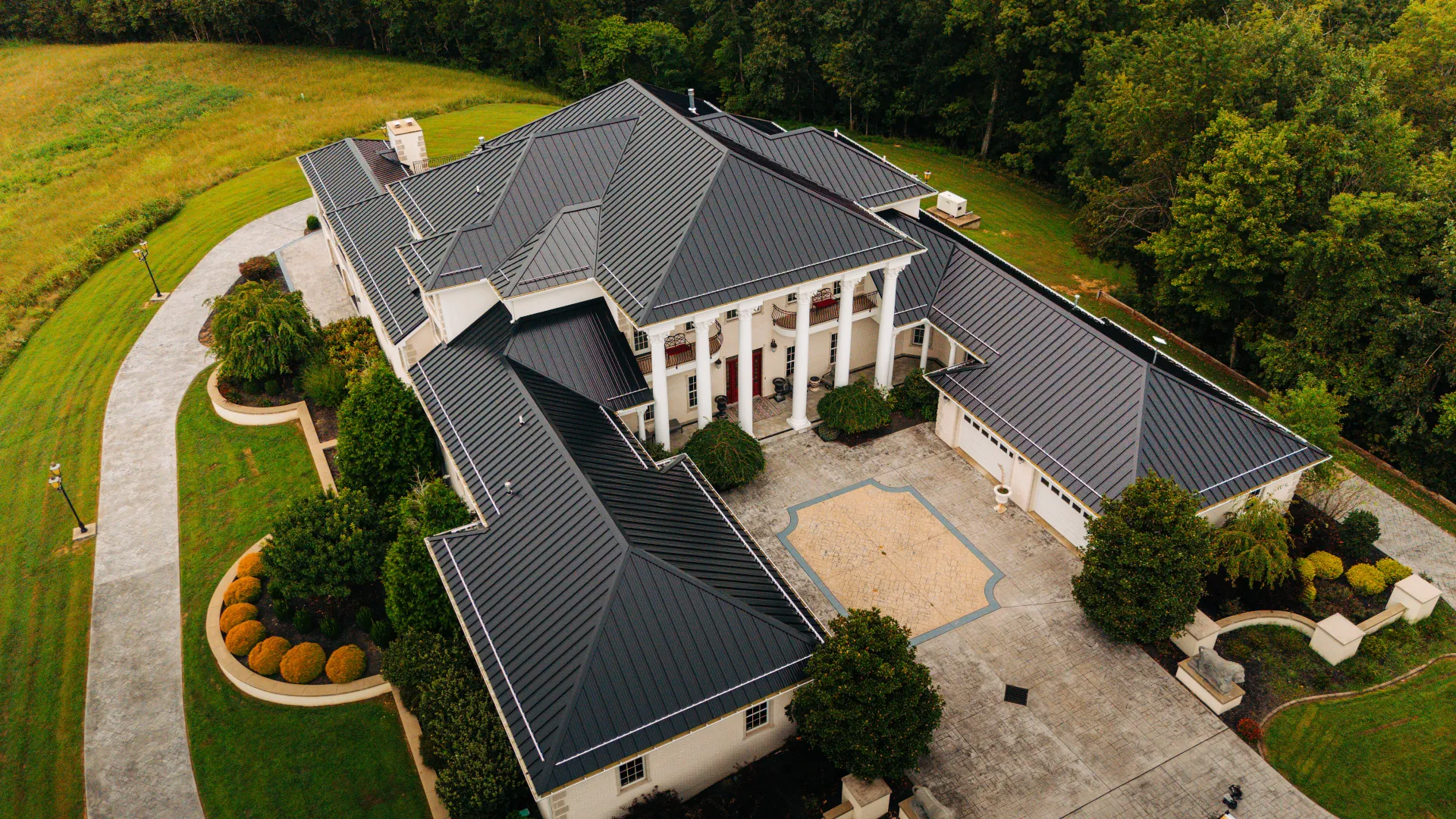

The biggest difference between these roofing systems is how the panels are attached.
Standing seam roofing uses concealed fasteners hidden beneath raised vertical seams. The fasteners are protected from weather exposure, creating a clean appearance and reducing potential leak points.
Learn More About Standing SeamExposed fastener roofing uses screws installed directly through the face of the metal panels. This method creates a durable roofing system that is cost-effective and widely used on agricultural and utility structures.
Learn More About Exposed FastenerFor many property owners, the decision comes down to balancing appearance, maintenance expectations, and budget.
For most homeowners, standing seam roofing is the preferred choice.
Its clean lines, hidden fasteners, and long lifespan make it one of the most attractive roofing systems available. Homeowners who plan to stay in their home for many years often appreciate the long-term value standing seam provides.
Most homeowners choose standing seam when appearance and longevity are top priorities.
Agricultural structures often have large roof areas, making affordability an important factor.
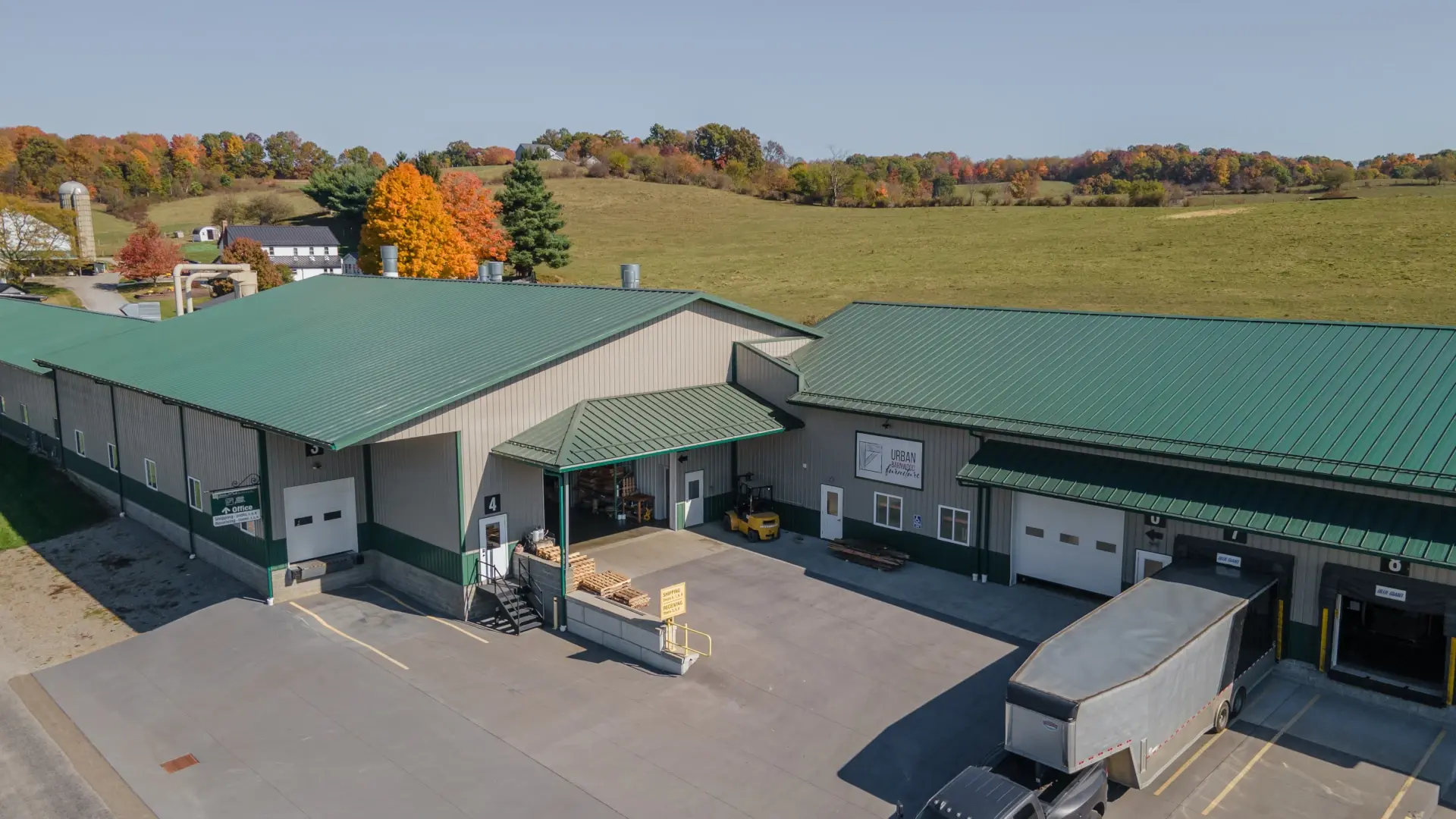
Exposed fastener roofing delivers excellent durability at a lower upfront cost, making it one of the most common roofing systems used on barns throughout Ohio.
For many barns and farm buildings, exposed fastener roofing offers the best balance of performance and value.
Both systems can work well for shops and garages.
Property owners focused on keeping project costs lower often choose exposed fastener roofing. Those looking for a more finished appearance may prefer standing seam.
The best choice depends on your budget and how visible the building is on your property.
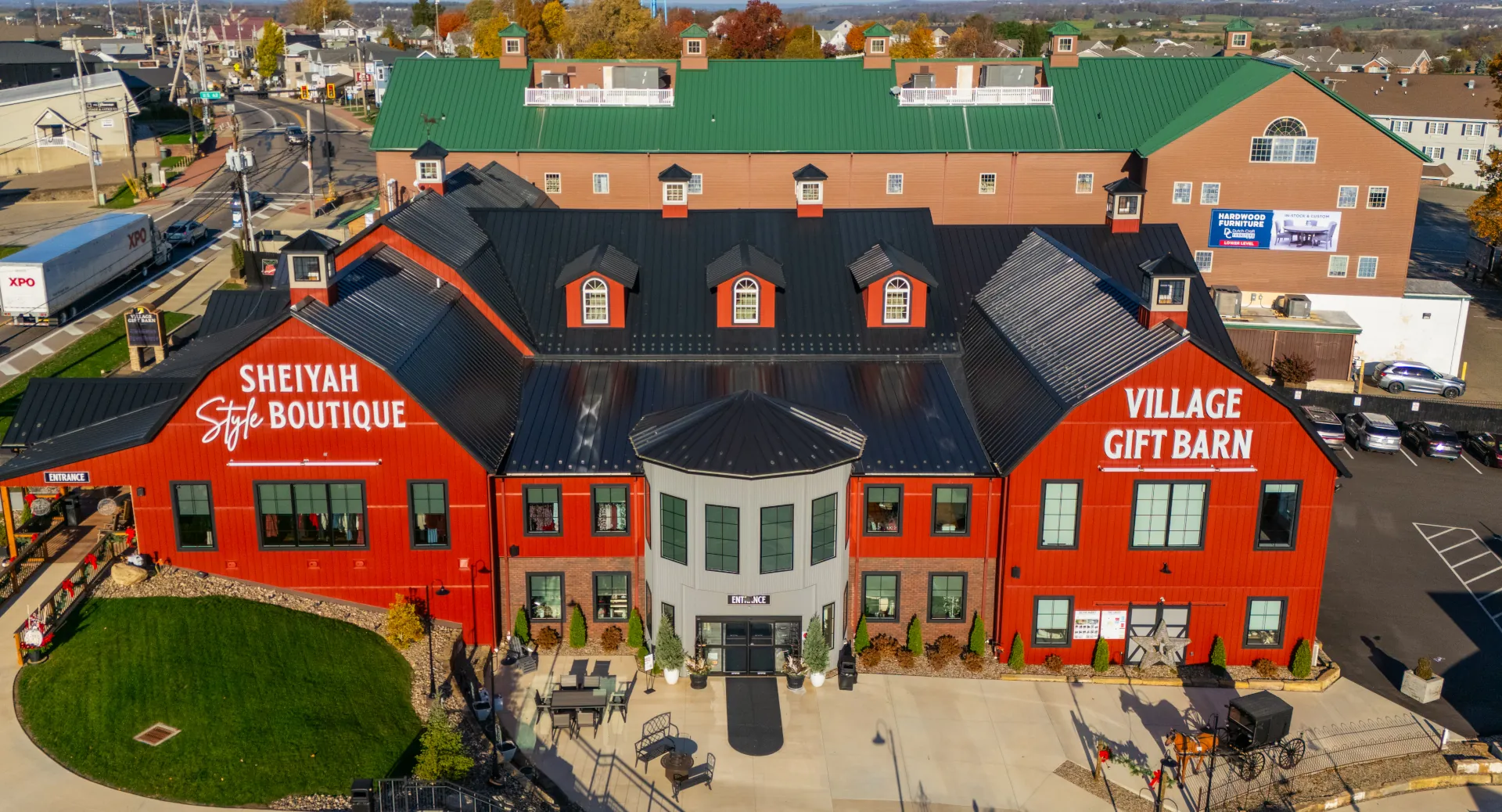
Commercial properties often benefit from standing seam roofing because of its professional appearance, long lifespan, and reduced maintenance requirements.
Many business owners view standing seam roofing as a long-term investment that can help minimize future repair costs.
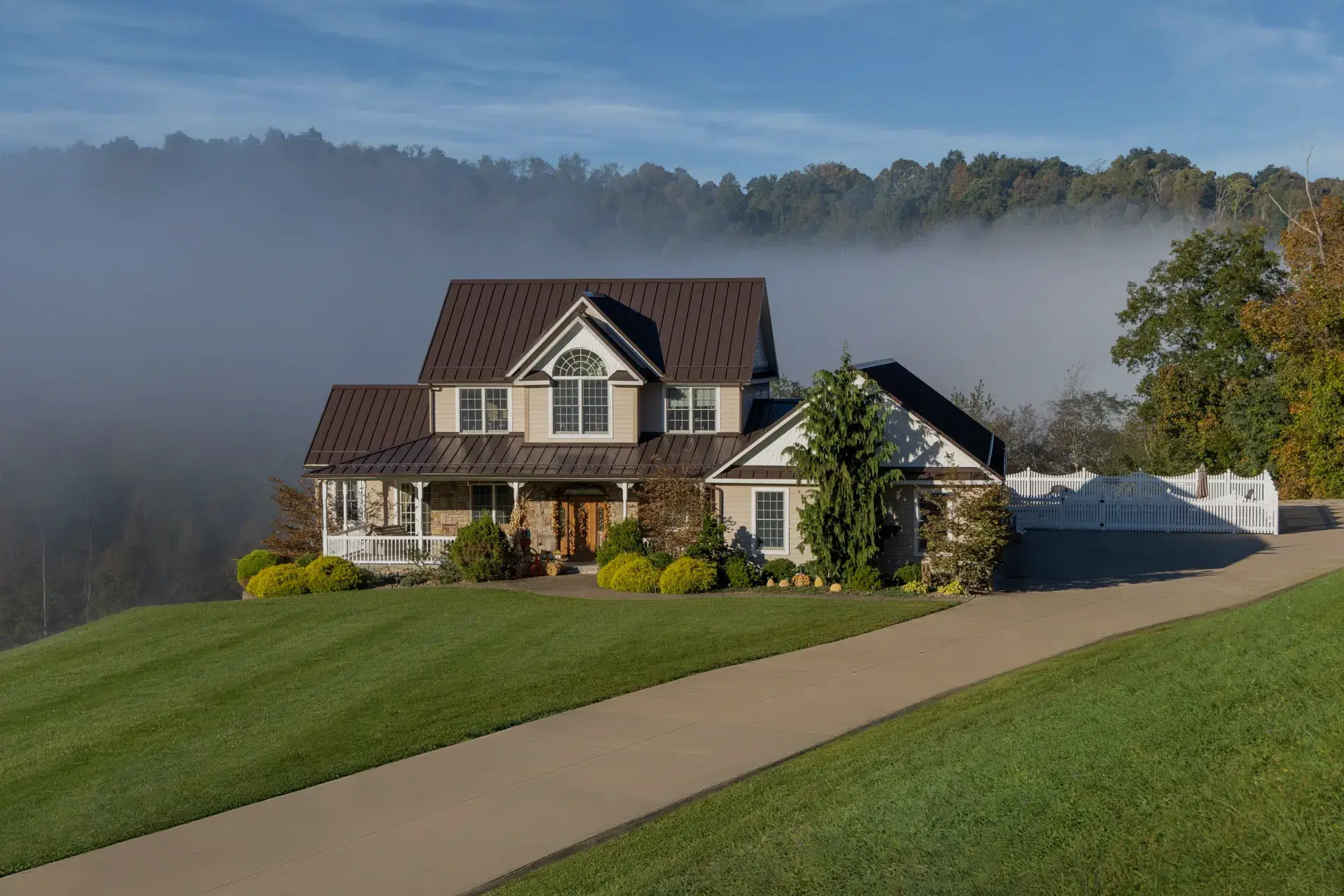

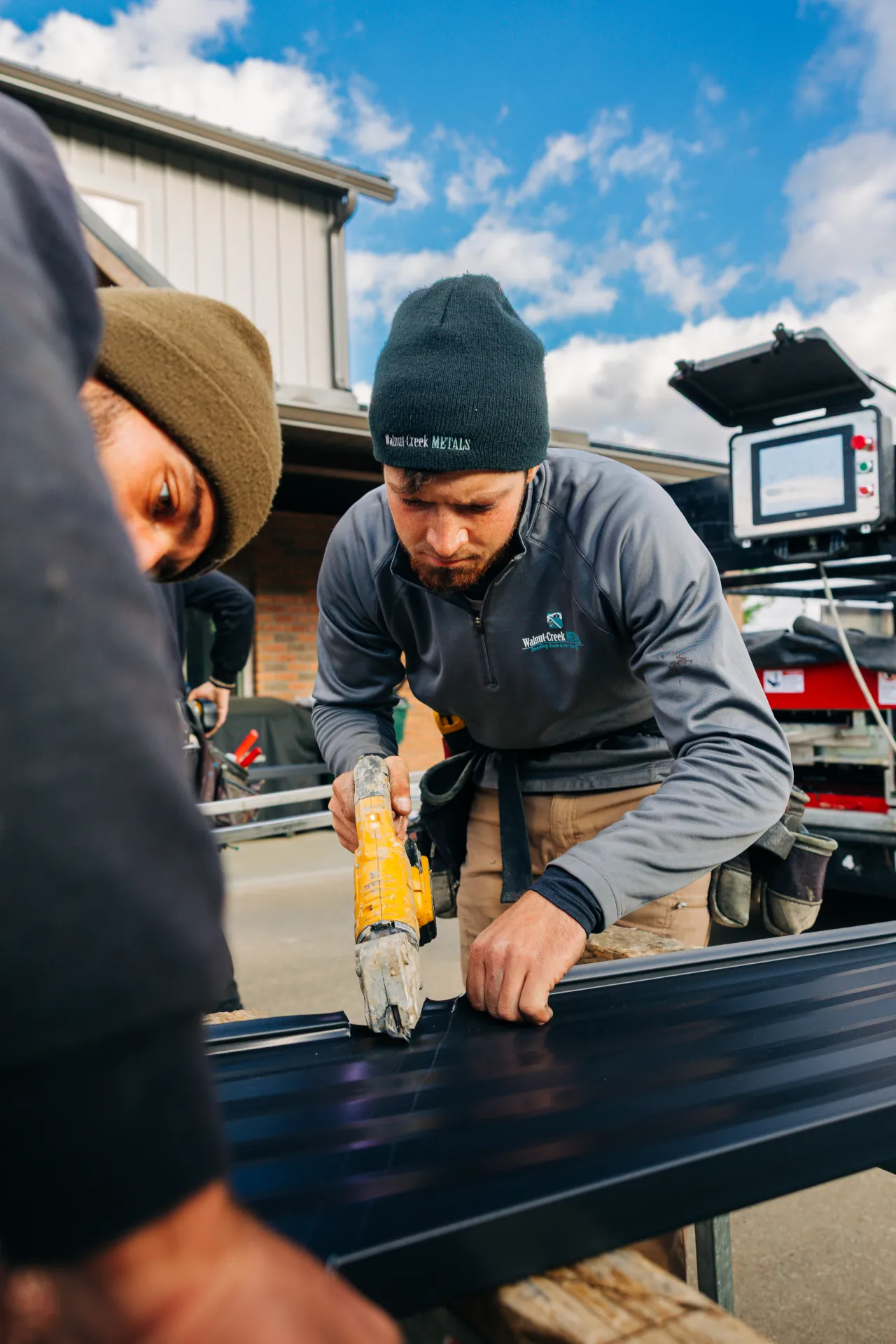
The answer is simple. Standing seam roofing uses a more advanced fastening system, requires specialized installation techniques, and typically takes more time to install.
You're paying for:
Concealed fastener technology
Greater weather protection
Longer service life
Reduced maintenance requirements
Enhanced curb appeal
Exposed fastener roofing costs less because:
Installation is faster
Panels are simpler to manufacture
Labor costs are generally lower
The system is designed for efficiency
For many agricultural and utility structures, these savings make exposed fastener roofing an easy choice.
Have More Questions?Every roof requires occasional inspection, but maintenance expectations are different.
Most maintenance involves periodic inspections and clearing debris from valleys, gutters, and drainage areas. Because the fasteners are concealed, there are fewer components exposed directly to the elements.
The screws and washers used in exposed fastener systems naturally experience weather exposure over time. Periodic inspections can help identify loose fasteners, worn washers, or areas that need to be resealed.
For more, read our blog on Metal Roof Maintenance Tips for Every Season.


There is no one-size-fits-all answer when comparing standing seam and exposed fastener roofing. The right choice depends on your building, budget, and long-term goals.
At Walnut Creek Metals, we help homeowners, farmers, and business owners throughout Ohio choose the roofing system that best fits their needs.