


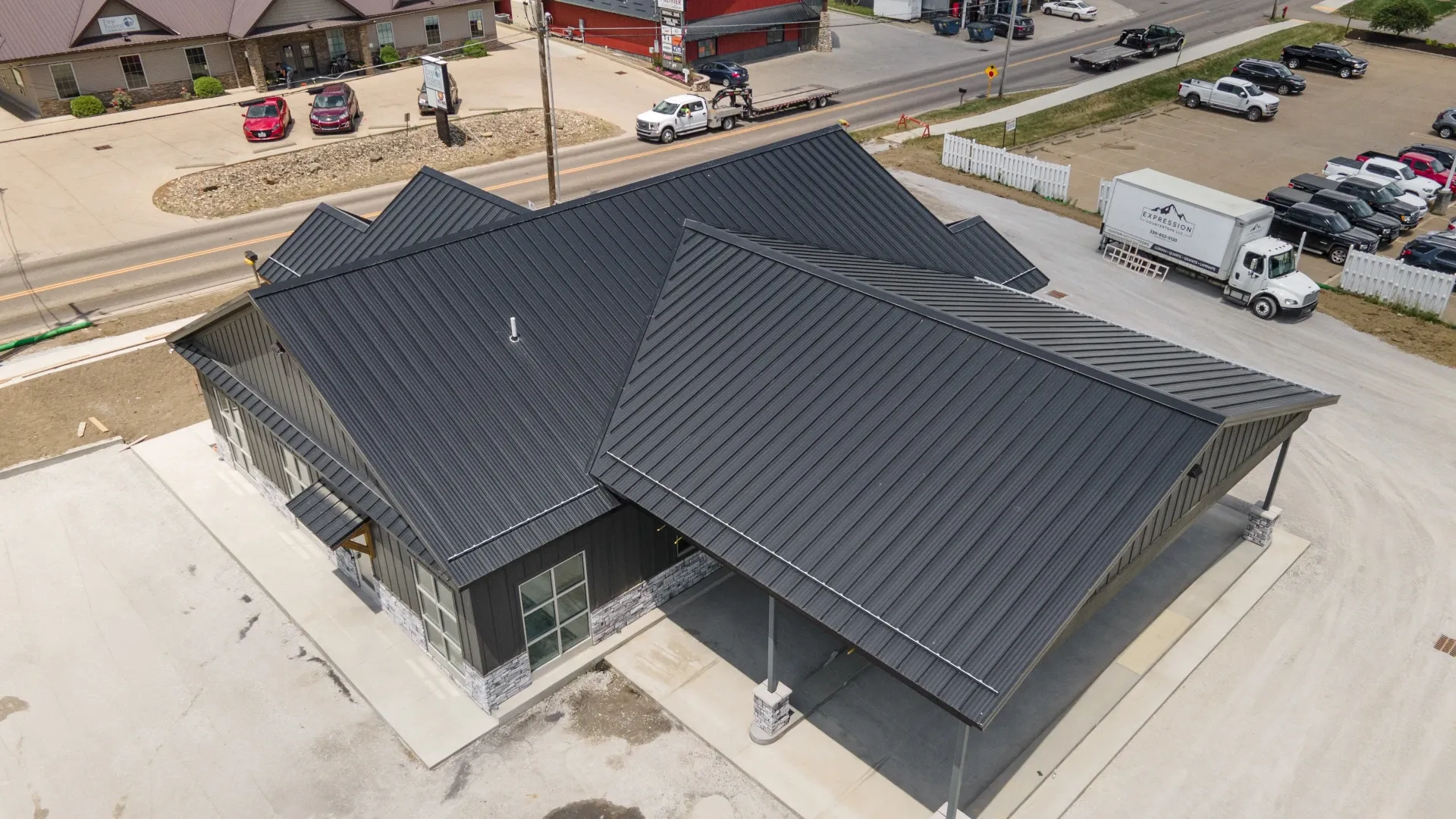
When the temperatures drop in Ohio, most homeowners focus on keeping the heat in and the cold out. But winter is also when your roof faces some of its toughest conditions, and if small issues go unnoticed, they can quickly turn into expensive repairs. A professional metal roof inspection during the cold months is one of the best ways to protect your home from hidden damage and ensure your roof is ready to handle snow, ice, and wind.
Here’s what experienced roofing pros look for during a winter inspection, what early roof leak signs to watch for, and why proper roof maintenance in Ohio pays off all year long.
Metal roofs are known for their durability, but they still require occasional maintenance, especially after a few freeze-thaw cycles. Winter weather can expose weak points that aren’t obvious in warmer months.
Heavy snow loads, shifting ice, and fluctuating temperatures put added stress on panels, flashing, and fasteners. Even a small gap or seam issue can allow water to sneak under the surface. Because water expands when it freezes, that small entry point can lead to cracking, warping, or leaks over time.
A midwinter inspection ensures these problems are caught early, before they cause long-term damage.
When you schedule a winter inspection, an experienced roofing technician focuses on areas most vulnerable to winter roofing problems. Even if your roof appears fine from the ground, a trained eye can detect issues that aren’t visible to homeowners.
Here’s what they look for:
Metal expands and contracts with temperature changes. Over time, this movement can cause screws or clips to loosen and seams to separate. Inspectors check for missing fasteners, lifted seams, and compromised connections that could lead to leaks or panel movement.
The flashing around chimneys, vents, and skylights is one of the most common sources of leaks. A winter inspection ensures the flashing is properly sealed and that the sealant hasn’t cracked or deteriorated due to UV exposure or temperature swings.
Although most metal roofs have protective coatings, scratches or debris buildup can lead to small rust spots. Inspectors identify and treat these early, preventing corrosion from spreading and compromising the roof’s integrity.
Snow guards and roof pitch both play a role in how snow melts and slides off your roof. Inspectors check for uneven buildup that might indicate drainage problems or improper snow retention, both of which can lead to ice dams or gutter damage.
Clogged or frozen gutters are one of the top causes of winter water damage. Professionals confirm that your gutters are clear, properly sloped, and securely fastened to handle melting snow runoff.
A thorough inspection doesn’t stop at the roof surface. Inspectors often look inside the attic for condensation, water stains, or insulation damage, which are early indicators of a slow leak that could worsen over time.
Even between inspections, homeowners can play a role in maintaining their roof’s health. Paying attention to subtle warning signs can prevent major issues later.
Keep an eye out for:
These can all point to small leaks, poor ventilation, or ice dam formation, which are issues that tend to get worse if ignored through the winter.
Ohio winters bring a combination of cold air, wet snow, and temperature swings that can challenge even the strongest roofing systems. Here are a few of the most common issues that professional inspections help identify and prevent:
Routine inspection and maintenance address these problems before they impact your home’s structure or comfort.
While visual checks from the ground are useful, only a professional has the tools and experience to assess a roof safely and accurately in winter conditions. Climbing onto a metal roof in icy weather is not something homeowners should attempt on their own.
Professional roofers know how to navigate safely and understand how cold-weather conditions affect fasteners, panels, and coatings. They can also recommend preventive measures like snow guards, additional insulation, or gutter upgrades to improve long-term performance.
At Walnut Creek Metals, our team provides comprehensive winter inspections that combine experience, safety, and attention to detail. We identify potential concerns and offer straightforward solutions to keep your roof strong through winter and beyond.
A quick inspection now can save you from costly repairs in the spring. Whether you suspect a leak or simply want peace of mind, a professional metal roof inspection is the best way to ensure your home is protected through the season.
If you’re in Central or Northeast Ohio and haven’t had your roof checked this year, now is the time. Walnut Creek Metals offers inspections, maintenance, and roofing upgrades designed for our region’s unique weather challenges.
Schedule your winter roof inspection today, and keep your home safe, dry, and worry-free all winter long.